
Application-led compound development
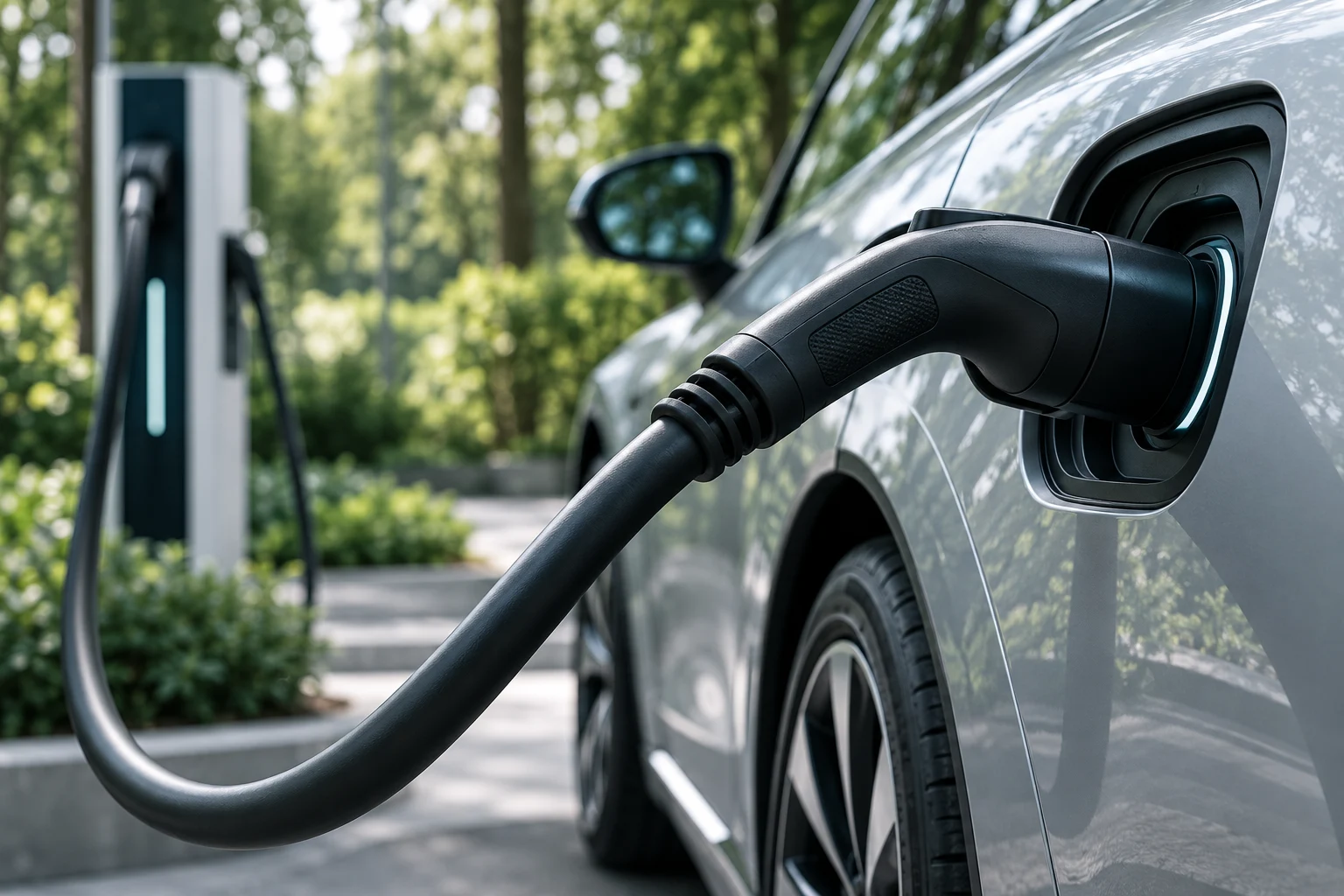
EV charging cables combine electrical duties with frequent movement and exposure to outdoor conditions. Material development should connect cable flexibility, abrasion behaviour, thermal ageing and environmental resistance with the selected AC or DC charging architecture. We help translate these requirements into a focused compound development brief.
Technical focus areas
- Polymer and elastomer selection for insulation and sheath layers
- Flexibility, tear strength, abrasion and handling behaviour
- Ageing, weathering and fluid exposure requirements defined by the application
- Relevant IEC 62893 requirements and a coordinated material / cable test plan
- Separate assessment of cooled DC cable systems and coolant compatibility
From formulation brief to validation plan
Begin with the intended cable layer, construction and operating environment. Define the target properties and relevant test methods before comparing formulations. Review compound behaviour under representative extrusion and, where applicable, crosslinking conditions.
Material screening, production trials and finished-cable qualification provide complementary evidence. The applicable specification and acceptance criteria should be agreed for the specific project.
AC charging, DC charging and thermally managed DC cable systems have different qualification contexts. Confirm the selected charging architecture and evaluate the insulation, sheath and any cooling-media interfaces accordingly.
IEC 62893-1 — general requirements ↗